Students plant ‘Miyawaki’ mini forest on campus
2nd September 2026 – Tags: Forestry, Land and Wildlife Management, Rural Studies
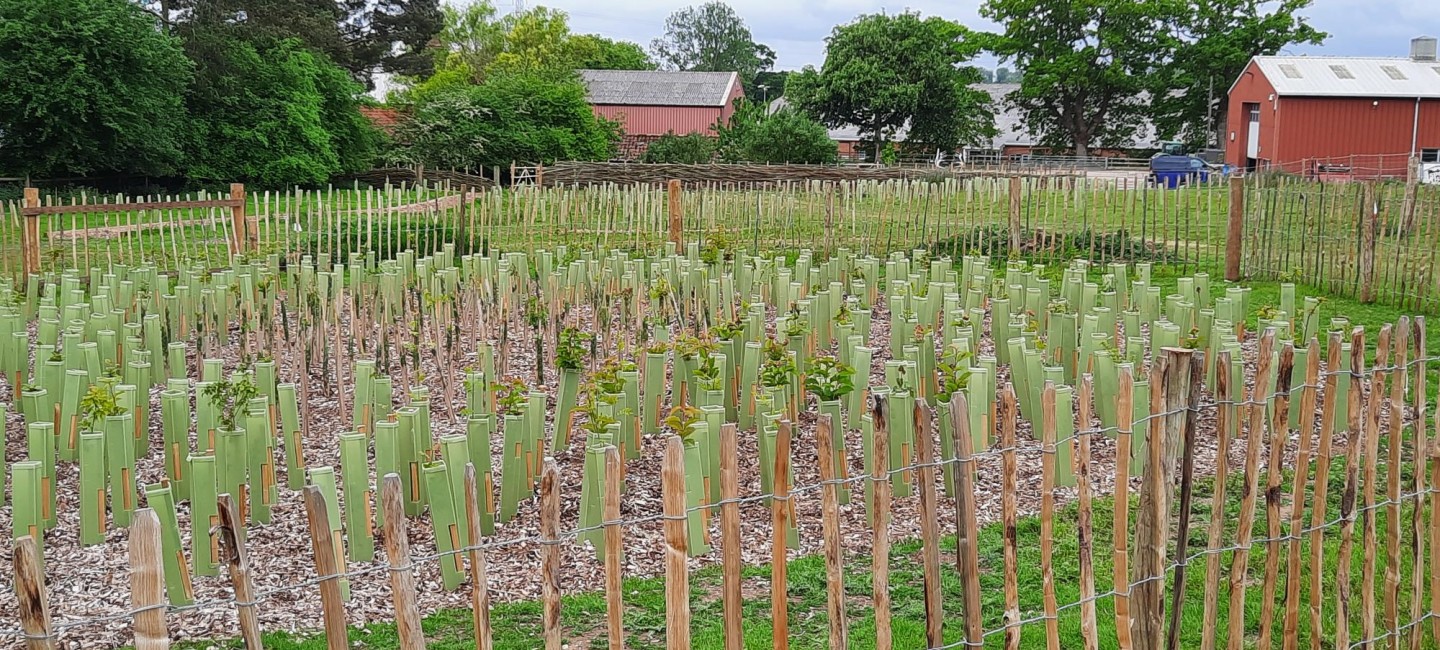
Easton College students have planted a Miyawaki mini forest on the campus, to improve biodiversity and provide students and staff with an outdoor wellbeing area.
Miyakwaki mini forest
The Miyawaki mini forest employs the principles of Japanese botanist Dr. Akira Miyawaki, which involves ultra-dense planting of saplings using native plant species.
The density of planting means that the trees, competing for light and space, grow a lot faster than traditional planting methods – a mature-looking, self-sufficient forest grove can be achieved in as little as 10 years.
The complex, layered structure of these mini forests provides varied habitats, which is good for biodiversity. They also contribute to climate mitigation, as densely packed trees potentially absorb higher amounts of carbon.
More than 40 students from three different Easton College courses – Land and Wildlife Management, Forestry & Arboriculture, and Agriculture & Rural Studies - have been involved in the project.
New wellbeing area
The students have planted 800 native trees, including oak, hazel and birch, to make up the mini forest. In the area around it, the students have added woodchip paths, willow and sweet chestnut fencing, hedges, additional trees (conventionally spaced) and benches, to create a wellbeing area for students and staff.
Jason Kidman, Curriculum Lead for Agriculture, Countryside and Environment, at Easton College, comments:
The students have achieved a lot in a short space of time to plant our Miyawaki mini forest and we’re looking forward to monitoring its growth and making further enhancements to the wellbeing area.
Project-based learning like this is great for bringing together students from different courses, providing lots of different practical aspects that tie in with their learning, and tangible results at the end of it.
The project will provide ongoing learning opportunities as we monitor the progress of the mini forest, maintain the area, and continue to develop it, so many more students will benefit from this as a learning resource, and wellbeing space, in the years ahead.”
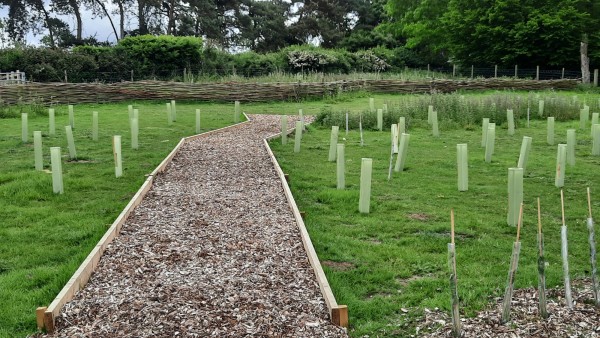
Students have created paths and planted additional trees in the wellbeing area around the mini forest.
Award recognition for project
The students’ impressive work was recently recognised by the Council for the Protection of Rural England (CPRE), winning the Showcase Award in the inaugural CPRE Norfolk Youth Engagement & Schools Awards.
Commending the students’ work, the CPRE Norfolk trustees said that they were “incredibly impressed” by the scale of the project, the long-term vision behind it, and the way students have been involved at every stage - from planning and planting through to ongoing management and monitoring.
They said that it is “a fantastic example of young people making a lasting contribution to Norfolk's countryside and biodiversity, and it truly embodies what these Awards were created to celebrate.”
The project was made possible thanks to a grant from South Norfolk Council, through the Nature Conservation Fund, with the college making a 254 m² plot of land available that is readily accessible from the main college drive.
Councillor Daniel Elmer, Leader of South Norfolk Council, said:
This award is a fantastic achievement for the students and staff at Easton College and demonstrates the positive impact young people can have when they are given the opportunity to shape their environment.
The Nature Conservation Fund was created to support projects that enhance biodiversity and connect people with nature and this Miyawaki mini forest is a brilliant example of that in action. Not only will it create valuable habitat for wildlife and help remove carbon dioxide from the air, but it will also provide a wellbeing space that future generations of students can enjoy for many years to come.
I'd like to congratulate everyone involved on this well-deserved recognition and thank them for helping to make South Norfolk a greener and more sustainable place."
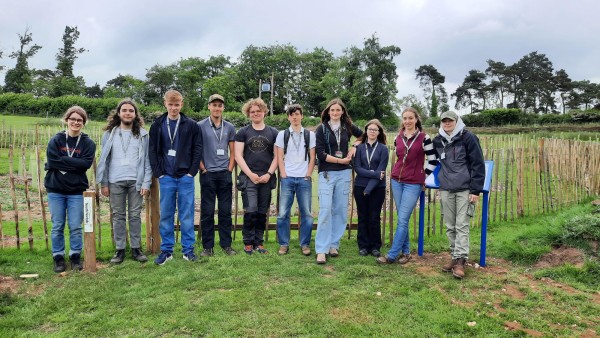
Level 3 Land and Wildlife Management students are among those who have been involved in the project.